How to use an apostrophe – a simple guide
There are only two valid reasons to use an apostrophe: omission and possession. If something is being left out (omitted) or owned (possessed), you're safe to add an apostrophe into your sentence. Let's take a look at how to use an apostrophe correctly.
How to use an apostrophe for omission
If you're omitting some letters in a word, the apostrophe replaces them. For example:
- Cannot = can't
- I will = I'll
- What is = what's
- You have = you've
- Government = gov't
How to decide where to put an omission apostrophe
The apostrophe takes the place of the missing letter(s) in the sentence.
- Cannot: apostrophe replaces "no" – can't
- I will: apostrophe replaces "wi" – I'll
- What's: apostrophe replaces "i" – what's
- You have: apostrophe replaces "ha" – you've
- Government: apostrophe replaces "ernmen" – gov't
When not to use an apostrophe for omission
Of course, when there's a rule there will be an exception! Acronyms and initialisms don't need apostrophes. It's unlikely you'd even think of using them, as they look odd:
- GCSEs, not G'C'S'E's
- BMW, not B'M'W'
- SCUBA, not S'C'U'B'A'
- YOLO, not Y'O'L'O'
- CEO, not C'E'O'
You also don't need an apostrophe if a word has evolved from a longer form to become a common word in its own right. For example:
- Phone, not 'phone – even though the first four letters are omitted from "telephone"
- Net, not 'net – even though the first five letters are omitted from "internet"
In summary: Use an apostrophe to replace missing letters in real words.
How to use an apostrophe for possession
If something is being owned, or possessed, you might need an apostrophe. For example:
- The cat's basket
- The company's logo
- The men's suits
- The sofa's cushions
- The tree's leaves
How to decide where to put a possessive apostrophe
The easiest way to identify whether the apostrophe goes before or after the "s" is to flip the sentence and put the apostrophe at the end. For example:
- The dog's bowl (the bowl belongs to the dog – put the apostrophe at the end of dog)
- The dogs' bowls (the bowls belong to the dogs – put the apostrophe at the end of dogs)
- The child's book (the book belongs to the child – put the apostrophe at the end of child)
- The children's books (the books belong to the children – put the apostrophe at the end of children)
Take special note if the original word ends with "s":
- James' laptop (the laptop belongs to James – put the apostrophe at the end of James) – not Jame's laptop. "James's" is also acceptable.
When not to use an apostrophe for possession
A common mistake is to use an apostrophe just because a word ends with an "s". When you know how to use an apostrophe correctly, you'll soon stop making this mistake as it doesn't fit within either of the rules for possession and omission. Apostrophes are never used simply because the word is a plural.
In summary: Use an apostrophe when something is owned and decide where to put the apostrophe by flipping the sentence.
How to use an apostrophe with "it"
The word "it" is tricky and doesn't always stick to the rules.
- "It's" with an apostrophe means "it is" and follows the rules for omission
- "Its" without an apostrophe means "belongs to" and does not follow the rules for possession
The two variants of "it" make the meaning of the sentence clear, but the only way to get it right every time is to remember which is which, rather than trying to apply the rules of possession and omission.
More punctuation and grammar help
If in doubt, refer to a style guide or call in a professional. Word Dragon is here to ensure your written content is professional and error-free. Whether you want me to write a blog post, edit an article, check your documents for grammar and punctuation, or help with another wordy problem, get in touch and I'll put you on the right track.
Updated 2026
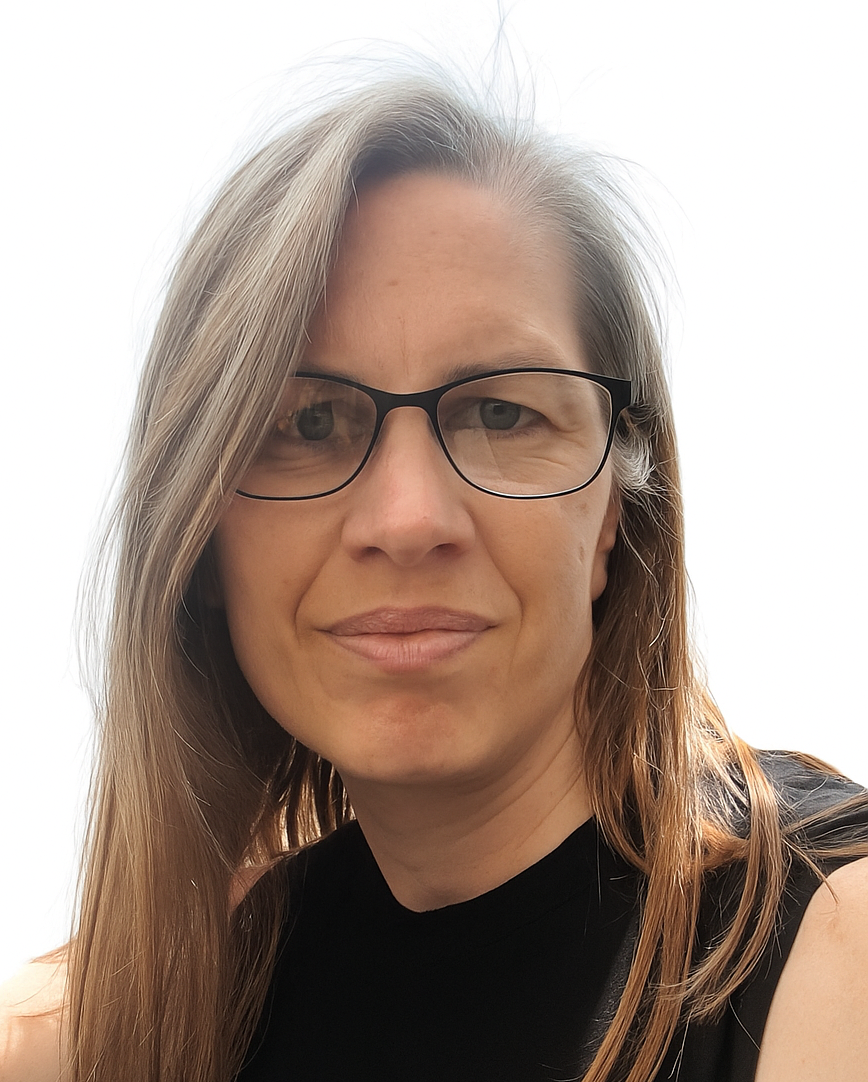
Author bio: Jen is a UK-based careers writer with over 15 years' experience in writing CVs for UK professionals. She is a certified member of the British Association of CV Writers, with a Master's degree in English, and has written and edited articles for international businesses.
Share this Blog
More from my Blog..